Press "Enter" to skip to content

Still COVIDing Canada Posts

Featured

COVID-19 vaccines in Canada

In 2026-2027, three COVID-19 vaccines will be available in Canada: the Pfizer-BioNTech Comirnaty, Moderna Spikevax, and Sanofi Nuvaxovid vaccines. Only vaccines that Health Canada has approved for use will be administered.

The Nuvaxovid (formerly Novavax) COVID-19 vaccine is expected to be available in British Columbia, Alberta, Saskatchewan, Manitoba, Ontario, New Brunswick, and Newfoundland and Labrador. Other provinces and territories are looking into purchasing vaccine doses, including: Yukon and Prince Edward Island.

Learn more about the availability of COVID-19 vaccines in Canada

Comments closed
Featured

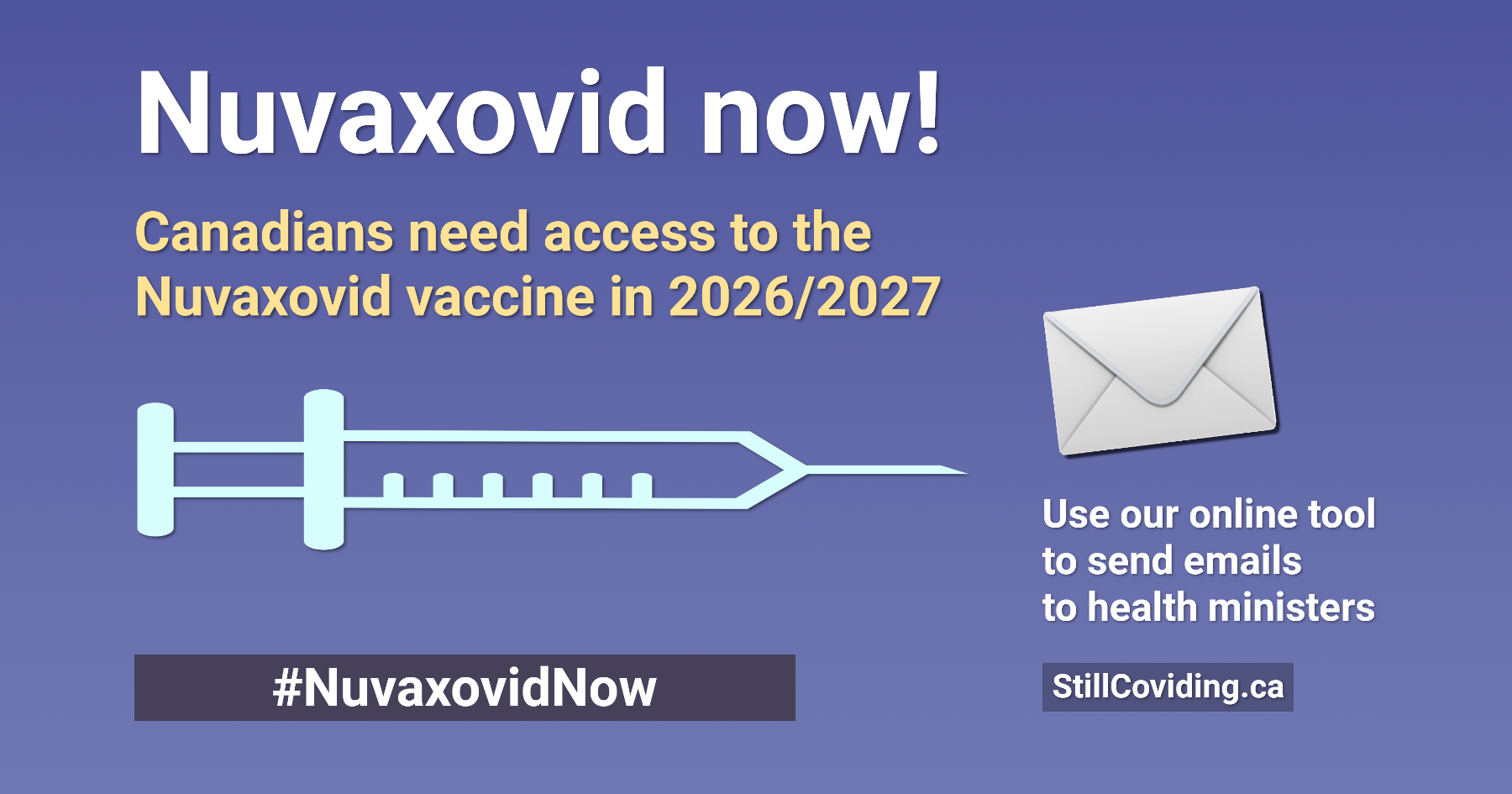
Nuvaxovid now! We need access to the Nuvaxovid COVID-19 vaccine in 2026/2027!

📣 Let health ministers know you want timely access to the Nuvaxovid (formerly Novavax) COVID-19 vaccine for the 2026/2027 season

✉️ Send letters to health ministers to voice your support for access to the Nuvaxovid COVID-19 vaccine in 2026/2027. Use our online tool to send emails.

Comments closed
Featured

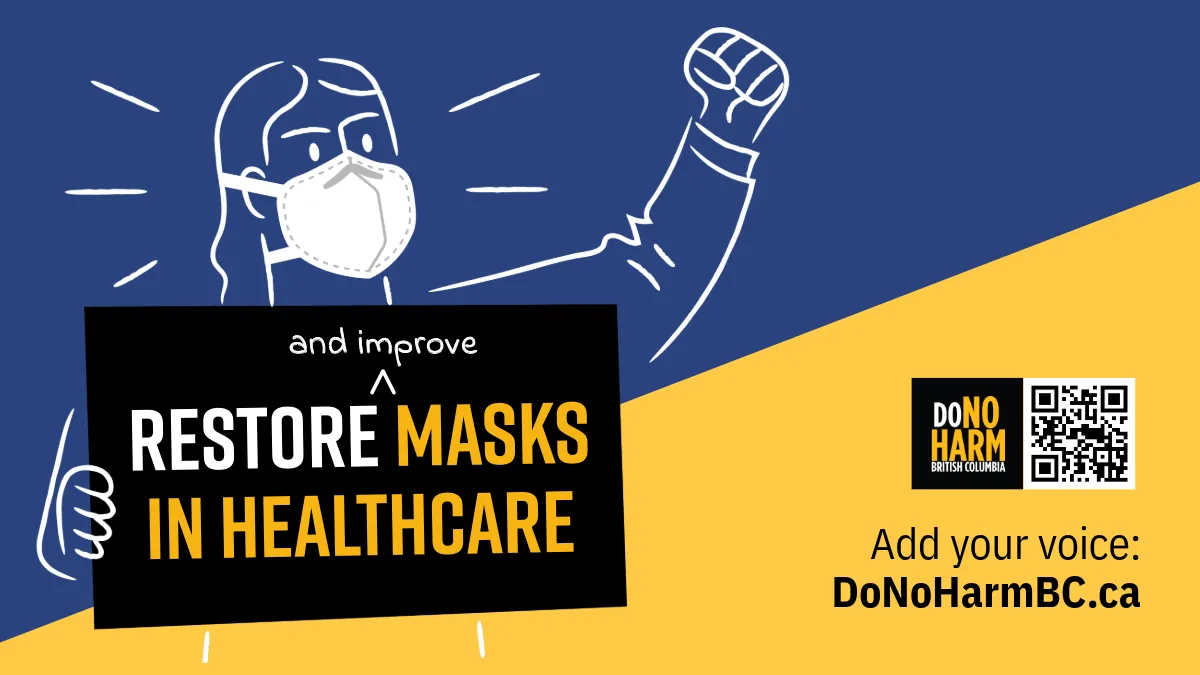
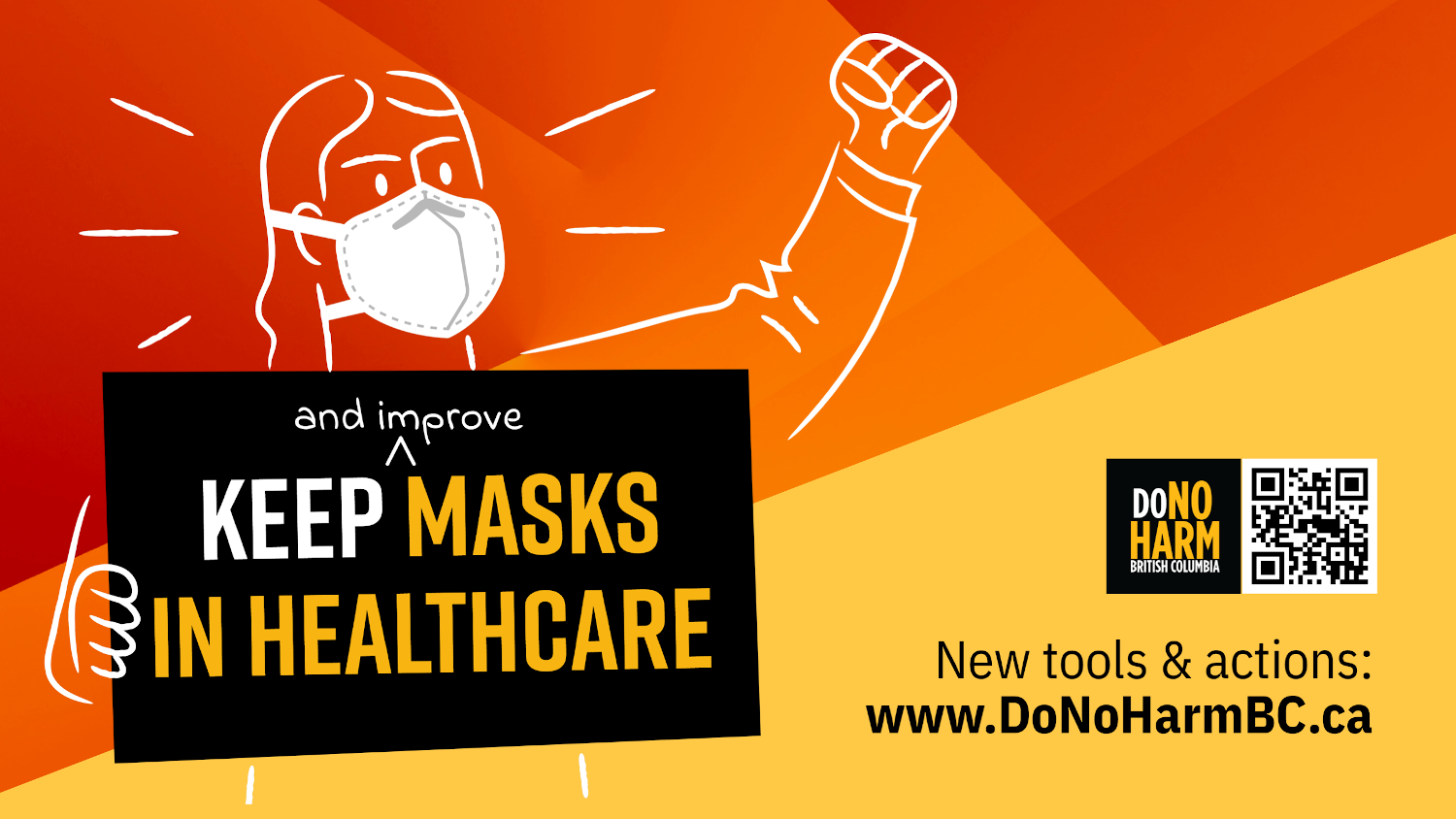
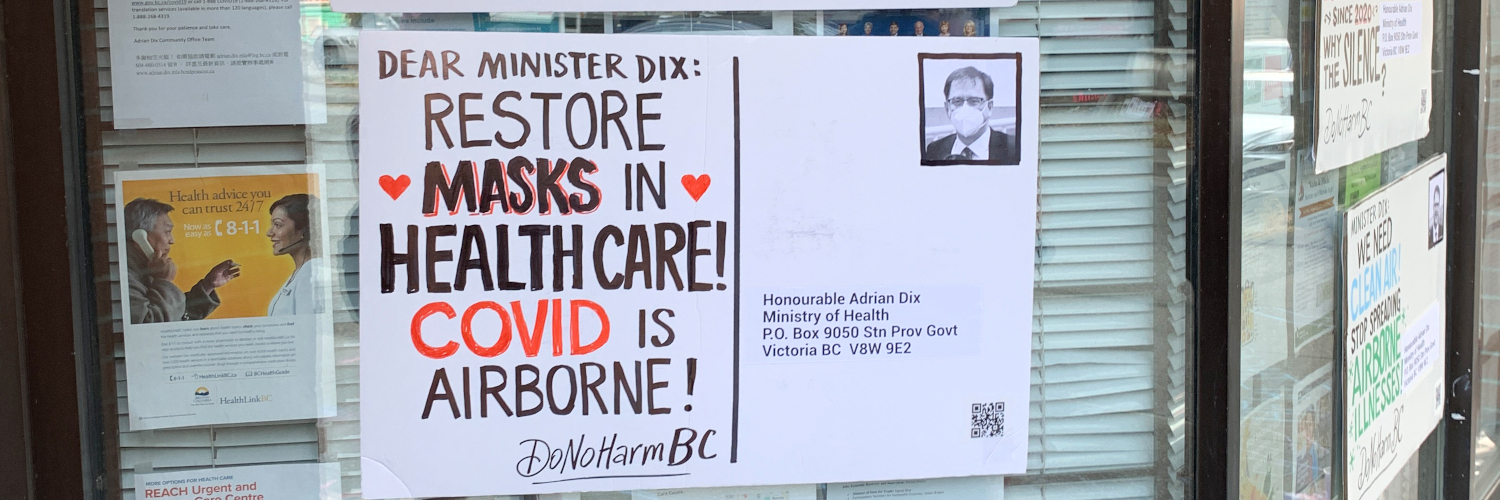
Independent health groups urge BC to reinstate and improve healthcare mask protections

DoNoHarm BC and Protect Our Province BC warn of patient harm, staff shortages, and rising international risks

February 12, 2026 (British Columbia, Canada) – Independent public health groups in BC are calling on policy-makers to reinstate and improve mask requirements in medical settings. The call comes amidst multiple recent influenza and COVID-19 outbreaks in healthcare, following a winter punctuated by “unprecedented” ER closures and staff shortages, as well as massive measles outbreaks and a prolonged COVID wave across the border.

Comments closed
Featured

SARS-CoV-2 Leaves a Lasting Mark on the Immune System

A landmark new study shows COVID-19 isn’t ‘just a cold’: One infection left people with long-lasting immune damage, and those with heart disease lost up to 70% of key immune cells. Reinfections may worsen this. The message is clear: protecting ourselves still matters.

A new study in the International Journal of Infectious Diseases should end any lingering idea that SARS-CoV-2 is ‘just another cold virus.’ It shows that a single, relatively short Omicron wave left a long, measurable scar on the adaptive immune systems of tens of thousands of adults and that people with cardiovascular disease (CVD) may be living with something close to chronic immune compromise nearly two years later.

This isn’t about individual anecdotes, or small clinic cohorts. It’s a population-scale signal, drawn from more than 40,000 patients in a region of China that had almost no SARS-CoV-2 circulation until late 2022. It is, in many ways, the cleanest before and after picture we have of what one mass SARS-CoV-2 exposure does to human immunity.

Comments closed
Featured

With an absent CDC and mismatched ‘subclade K’ flu strain, experts face upcoming season with uncertainty

Earlier this month, a group of Canadian researchers published early influenza data for the 2025-26 season, issuing a warning: There has been an observed mismatch with the seasonal influenza vaccine strain and what is emerging as the dominant flu strain this season, H3N2 subclade K.

Based on early reports from Japan and the United Kingdom, the Canadian researchers wanted to publish these data to encourage enhanced surveillance in North America this season, especially given the tumultuous situation in the United States.

“This is not the time to be flying blind into the respiratory virus season,” Danuta Skowronski, MD, the epidemiology lead for influenza and emerging respiratory pathogens at the British Columbia Centre for Disease Control, told CIDRAP News. Skowronski was senior author of the paper, which was published in the Journal of the Association of Medical Microbiology and Infectious Disease Canada.

Comments closed
Featured

The CSA’s revised standard on respirators should help us all breathe easier

The CSA Group — a not-for-profit standards organization — released for review a new draft standard on the “Selection, Use, and Care of Respirators” (CSA Z94.4:25) for workplaces, specifically including health care. This new standard is designed to ensure much better protection for health-care workers and for everyone seeking health care.

Comments closed
Featured

Canada officially loses its measles elimination status

Canada has been stripped of its measles elimination status after failing to interrupt transmission within one year of an outbreak that continues to spread in parts of the country.

The Public Health Agency of Canada said Monday it was notified by The Pan American Health Organization, a regional arm of the World Health Organization, that Canada lost its designation – an accomplishment it held for 27 years.

“While transmission has slowed recently, the outbreak has persisted for over 12 months, primarily within under-vaccinated communities,” the statement said.

Comments closed
Featured

Risk of rare heart complications in children higher after COVID-19 infection than after vaccination

Children and young people faced long-lasting and higher risks of rare heart and inflammatory complications after COVID-19 infection, compared to before or without an infection, according to new research. Meanwhile COVID-19 vaccination was only linked to a short-term higher risk of myocarditis and pericarditis.

The study is the largest of its kind in this population, and is published today in The Lancet Child and Adolescent Health. It was led by scientists at the Universities of Cambridge and Edinburgh, and University College London, with support from the British Heart Foundation (BHF) Data Science Centre at Health Data Research UK.

Comments closed
Featured

What we must confront: Living with Long COVID

The first winter of the pandemic, I was in Shanghai visiting my family when the first news reports began circulating — something about a new pneumonia, a city in lockdown. Within days, my family and I had boarded a flight to India, seeking temporary refuge. Three days before our flight back, India closed its borders. Airports emptied. Around the world, our lives shrank to the size of our homes. For millions around the world, it meant grieving in isolation, watching suffering multiply. It meant exposure to the deep inequities of our world, where access to safety, care, and health depended on privilege, geography, and luck.

Over time, things seemed to return to normal. However, the virus, though silenced, persisted, reshaping bodies and altering lives long after the headlines moved elsewhere.

Comments closed
Featured

Covid and Flu Can Triple Your Risk of Heart Attack

The risk of a heart attack triples within the first few weeks after a Covid-19 infection, the study suggested, and quadruples in the month after a flu infection. The study, published Wednesday in the Journal of the American Heart Association, was a large review and analysis of existing research.

“It endorses a general idea that we’ve been thinking about and talking about for the past several years — that infections are generally not benign,” said Dr. Ziyad Al-Aly, a senior clinical epidemiologist at Washington University in St. Louis, who was not involved in the study.

Comments closed
Featured

A surprise bonus from COVID-19 vaccines: bolstering cancer treatment

The innovative messenger RNA (mRNA) vaccines that thwarted the ravages of COVID-19 may also help fight tumors in cancer patients, according to a new analysis of medical records and studies in mice.

People with cancer who coincidentally received the mRNA shots before starting drugs designed to unleash the immune system against tumors lived significantly longer than those who didn’t get vaccinated, a research team announced yesterday at the European Society for Medical Oncology Congress in Berlin. Laboratory experiments by the group suggest the vaccines rev up the immune system, making even stubborn tumors more susceptible to treatment.

Comments closed
Featured

P.E.I. hospitals bring back mask mandates as experts warn of viral surge across Canada

Mandatory masking is back at health facilities across Prince Edward Island as public health officials work to reduce the spread of respiratory illnesses.

The newest numbers from Canada’s respiratory virus surveillance report show that during the week ending Oct. 4, COVID-19 activity was increasing on the Island, with about 20 per cent of tests coming back positive. Nationally, the average was under 10 per cent.

Comments closed
Featured

Ontario School Safety Calls on Province for an Immediate Vaccine-PLUS Strategy to Tackle Current Measles Outbreak

Toronto, Ontario – [April 24, 2025] – In an urgent appeal to protect the health and safety of Ontario’s students, education workers, and families, Ontario School Safety (OSS) has issued an open letter asking the Ontario Provincial Government and Public Health Ontario for an immediate vaccine-PLUS strategy, which includes the essential role of healthy indoor air, to curtail the spread of measles. This critical request comes in the wake of concerning measles infection rates – as of April 17th, 2025, Public Health Ontario is reporting 925 measles cases in the province, more than five times the number of cases than the total number of cases over the last 12 years. Encouraging a vaccine-only strategy is insufficient due to barriers to access, and because measles spreads not only through direct contact with secretions or contaminated surfaces, but through the air we breathe.

Comments closed
Featured

Volunteers needed to test no-needle COVID vaccine made in Hamilton

A made-in-Hamilton COVID vaccine that requires no needles is moving to the next stage of testing and researchers are looking for volunteers to take part.

The vaccine that is inhaled instead of injected will be studied by McMaster University researchers with $8 million in funding from the Canadian Institutes of Health Research (CIHR).

Comments closed
Featured

Federal cuts threaten to close Pennsylvania lab that certifies N95s and other respirators in June

The Pennsylvania laboratory that certifies all of the country’s NIOSH-approved respirators is on the chopping block. HHS is stonewalling employees who raise questions.

Comments closed
Featured

BC patients, health advocates slam removal of healthcare mask protections

FOR IMMEDIATE RELEASE

DoNoHarm BC, Protect Our Province BC and the Canadian Covid Society warn the province’s decision endangers patients, healthcare workers, and the healthcare system

March 31, 2025 (British Columbia) – BC patients and health advocates are speaking out against the provincial government’s decision to drop healthcare mask requirements, at a time when there are multiple illness outbreaks in medical settings. Public health groups DoNoHarm BC, Protect Our Province BC, and the Canadian Covid Society warn that the move endangers vulnerable patients and frontline workers, while harming the sustainability and cost-effectiveness of BC’s healthcare system.

Comments closed
Featured

I traded my U.S. medical career for life in Canada. Here’s how the two health systems stack up.

After more than a decade practicing emergency medicine in the United States, I very recently began working shifts in Canada. The differences hit me immediately, and are profound.

What follows are a series of working hypotheses — early impressions shaped by firsthand experience and years of health policy work in the U.S. I expect they will evolve with time, but they already point to important contrasts in how both countries approach medicine, physician autonomy, and the doctor-patient relationship.

Comments closed
Featured

Smartwatch Data: Study Finds Early Health Differences in Long COVID Patients

People who later experienced persistent shortness of breath or fatigue after a COVID infection were already taking significantly fewer steps per day and had a higher resting heart rate before contracting the virus, according to a CSH study published in npj Digital Medicine. This may indicate lower fitness levels or pre-existing conditions as potential risk factors

Between April 2020 and December 2022, over 535,000 people in Germany downloaded and activated the Corona Data Donation App (CDA). Of these, more than 120,000 voluntarily shared daily data from their smartwatches and fitness trackers with researchers, providing insights into vital functions such as resting heart rate and step count.

“These high-resolution data served as the starting point for our study,” explains CSH researcher Katharina Ledebur. “We were able to compare vital signs in 15-minute intervals before, during, and after a SARS-CoV-2 infection.”

Comments closed
Featured

BC’s Measles Vaccination Rate Is Lower Than in Gaines County, Texas

In Gaines County, Texas, where a measles outbreak has killed one six-year-old and one adult, the measles vaccination rate among kindergarteners is just 82 per cent, according to reporting by The Atlantic.

That’s a higher measles vaccination rate than children have here in B.C.

Just under 82 per cent of two-year-olds have gotten one dose of the measles, mumps and rubella, or MMR, vaccine, and around 72 per cent of seven-year-olds have gotten both doses, according to the B.C. Childhood Immunization Coverage Dashboard’s 2023 data, which is the most recent data year available.

Comments closed
Featured

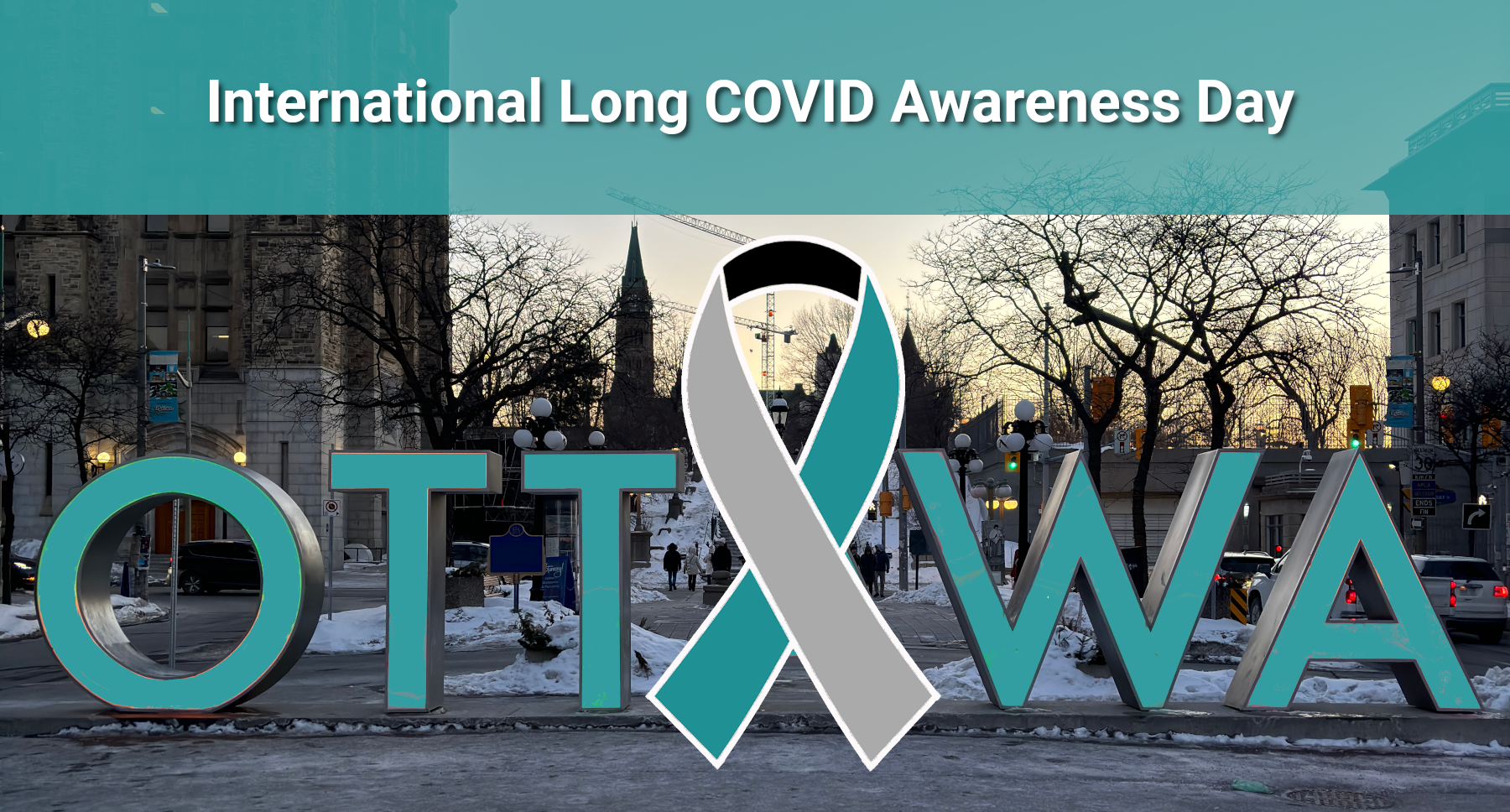
International Long COVID Awareness Day 2025

International Long COVID Awareness Day – COVID-cautious walk

Date: Saturday, March 15, 2025

Time: 7 pm – 8 pm

Where: Ottawa City Hall (meet at the entrance, Laurier Avenue side)

Join us for a walk on International Long COVID Awareness Day, Saturday, March 15, 2025 at 7 pm. The route is wheelchair-accessible.

Comments closed
Featured

Advocates Urge BC to Reinstate Healthcare Mask Protections Amid Rising Risks

DoNoHarm BC, Protect Our Province BC and the Canadian Covid Society warn of infection risks in healthcare

December 10, 2024 (British Columbia, Canada) – Advocacy groups in BC are calling on policy-makers to immediately reinstate healthcare mask requirements. The call comes as BC faces severe risks from COVID-19, a rise in “walking pneumonia,” local measles warnings, and Canada’s first human case of H5N1 avian influenza – which health officials warn could potentially turn into another pandemic.

Comments closed
Featured

Everything Wrong with Canada’s Proposed Long COVID Recommendations

Researchers involved in the organizations Cochrane Canada and the McMaster GRADE Centre at McMaster University are developing guidelines to prevent and treat Long COVID in Canada. Their effort is supported by the Public Health Agency of Canada and their recommendations would likely have major sway in the way Long COVID is treated if adopted.

Every month, they release new recommendations and provide an opportunity for public comment. On November 20th, the group released a new set of Canadian Post-COVID Condition (CAN-PCC) recommendations which propose harmful and ineffective treatments: Exercise to prevent Long COVID and cognitive behavioral therapy (CBT) to treat post-exertional malaise (PEM).

Comments closed
Featured

Local groups join forces for Vancouver’s second annual Clean Air Festival

Event spotlights clean air, community care, and award-winning talent

August 22, 2024 (Vancouver, BC) – On September 15, 2024, a coalition of community groups will present Vancouver’s second annual Clean Air Festival. From 1-6:30 pm, Clean Air 604, Clean Air in BC Schools, DoNoHarm BC, Masks 4 East Van, Millions Missing BC, Protect Our Province BC, SolidAIRity GVRD, Safe Schools Coalition BC, Spring Vancouver, and Vancouver Still Cares will join forces to present a COVID-safer, immuno-inclusive hybrid event, taking place in-person at Slocan Park and digitally via livestream and recording.

The event features a DIY air purifier-building workshop, tabling, children’s games and activities from 1:00 pm, with a stage magic performance at 3:45 pm and an outdoor concert from 4:30 pm. Masks, rapid tests, zines and DIY fit test kits will be available while supplies last. Air purifiers from the workshop will be donated to schools via Clean Air in BC Schools, and to vulnerable community members via Masks 4 East Van.

Comments closed
Featured

The Risks of Killing a COVID Early Warning System

COVID-19 is surging in parts of North America and Europe, and even played a role in ending the presidential campaign of 81-year-old Joe Biden, who was infected for the third time last month.

Nevertheless, on Wednesday the Ontario government shut down its early warning system to detect COVID and other emerging diseases.

Doctors, citizens and researchers are calling the decision to kill the province’s wastewater disease surveillance program both wrong-headed and dangerous. Ending the program will make it harder to track and thwart viral outbreaks, they say, and thereby increase the burden on Ontario’s understaffed hospitals, which experienced more than 1,000 emergency room closures last year.

“Pandemics do not end because science has been muzzled,” Dr. Iris Gorfinkel, a well-known Toronto physician and clinical researcher, told the CBC.

In emails to politicians, more than 5,000 citizens have demanded restoration of the program, with little effect.

Comments closed
Featured

Ontario: Protect our health — save Ontario’s wastewater monitoring!

📣 Let MPPs know you want funding for Ontario’s wastewater monitoring program to continue

✉️ Send letters to MPPs to voice your support for wastewater monitoring. Use our online tool to send emails.

Why take action? Wastewater monitoring is an essential public health tool that provides insights into the spread of SARS-CoV-2 and other viruses in Ontario’s communities.

Comments closed
Featured

Ontario: Call Members of Provincial Parliament on #WastewaterWednesday!

📣 Take action! Let MPPs know you want funding for Ontario’s wastewater monitoring program to continue

📱 Call MPPs to voice your support for wastewater monitoring.

✉️ Use our online tool to send letters to MPPs.

✉️ Use our online tool to send emails to municipal councillors in Ottawa or Waterloo Region.

📸 Post photos on social media.

Why take action? Wastewater monitoring is an essential public health tool that provides insights into the spread of SARS-CoV-2 and other viruses in Ontario’s communities.

Comments closed
Featured

COVID virus can infect your eyes and damage vision

The virus that causes COVID-19 can breach the protective blood-retinal barrier, leading to potential long-term consequences in the eye, new research shows.

The blood-retinal barrier is designed to protect our vision from infections by preventing microbial pathogens from reaching the retina where they could trigger an inflammatory response with potential vision loss.

Comments closed
Featured

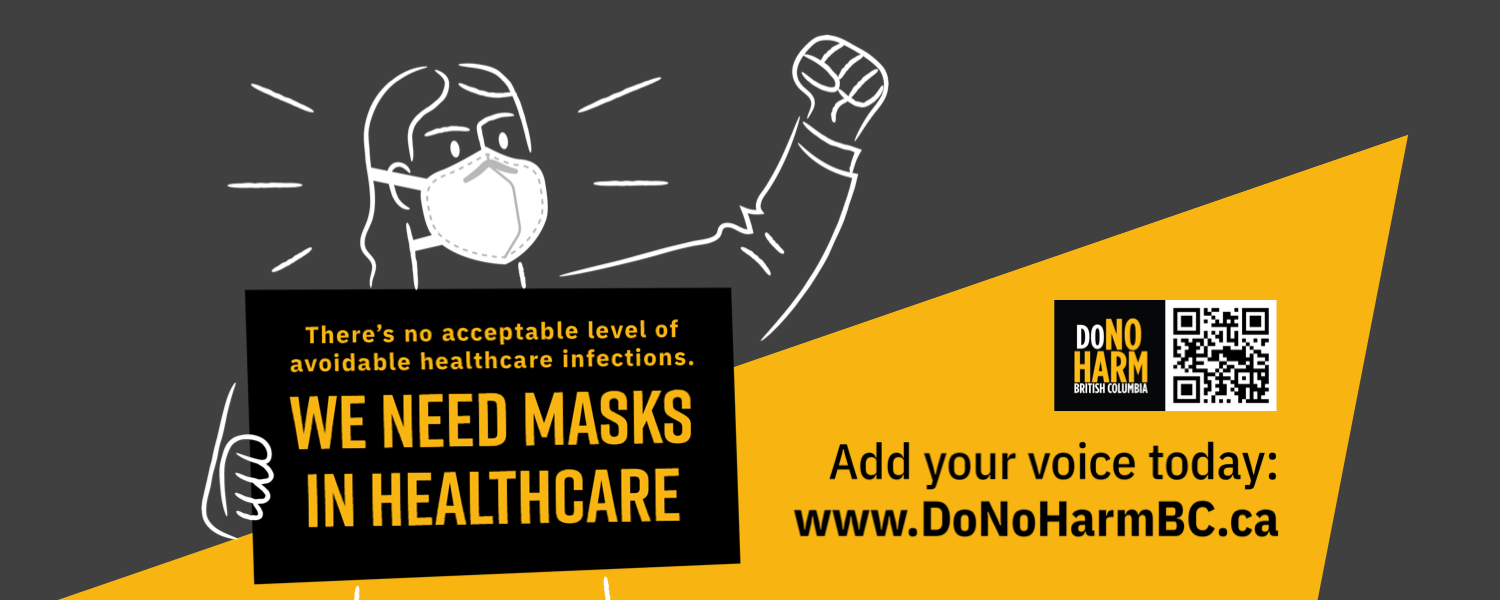
BC health advocates call on government to reinstate healthcare mask requirements

Protect Our Province BC, DoNoHarm BC, and Masks4EastVan highlight harms and human rights violations from loss of healthcare safety

Wednesday, April 17, 2024 (British Columbia) – Independent public health groups Protect Our Province BC, DoNoHarm BC, and Masks4EastVan are calling on the BC government to restore healthcare mask requirements. They are urging British Columbians to call for airborne pathogen protections in clinical settings by joining DoNoHarm BC’s campaign.

Comments closed
Featured

Study: Infection-control measures stemmed COVID spread in hospitals from 2020 to 2022

Implementation of ventilation standards of at least five clean-air changes per hour, COVID-19 testing, the use of personal protective equipment (PPE), and universal wearing of respirators prevented most SARS-CoV-2 transmissions in a California healthcare system from 2020 to 2022, suggests a study published yesterday in Clinical Infectious Diseases.

For the study, University of California (UC) researchers used electronic health records and movement data of patients and staff to conduct viral genomic and social network analyses to estimate COVID-19 spread in the UC–San Diego Health system. The team analyzed 12,933 viral genomes from 35,666 infected patients and healthcare workers (HCWs) (out of 1,303,622 tests [2.7%]) from November 2020 to January 2022.

Comments closed
Featured

“They’re Taking Away Your Right To Be Healthy.”

The tide is turning. Thanks to all the people making noise on social media and bugging their families, while continuing to wear masks and build air purifiers no matter what anyone says, there’s a trace of hope.

—Jessica Wildfire
Comments closed
Featured

First-person stories from British Columbians

CW: cancer, surgery, medical negligence, denial of care, disability grief

As part of DoNoHarm BC’s #Postcards4PublicHealth campaign, we’ve invited British Columbians to share their stories about the lack of Covid safety in BC – particularly the loss of mask protections in healthcare. Many wrote directly to policy makers. Some generously gave us permission to share their stories with the public and the press.

Comments closed
Featured

Ten COVID Facts Health Officials Dangerously Downplay

Do not listen to powers that be who pretend that getting infected with COVID multiple times is now no big deal. They’re asking you to lower your guard for a nasty virus that can invade the brain, disregulate the immune system and damage the vascular system.

This strategy has led to predictable results — more direct deaths, more excess deaths, more disease and some 1.4 million Canadians reporting some form of long COVID over the last two years.

Comments closed

Most Quebeckers lose flu shot coverage as viral season gets early start

Quebeckers who are not considered high-risk will have to pay nearly $200 to get vaccinated against influenza and COVID-19 this season, charting a path opposite to other provinces in Canada as the viral season picks up speed.

Quebec is the only province scrapping universal flu coverage, owing its decision to guidance from the province’s immunization committee. Only some categories will be eligible for a free flu shot, such as Quebeckers 65 and older; people with certain chronic conditions – such as immunocompromised people – and those living with them; pregnant women; residents of seniors’ homes and long-term care facilities.

Those who do not qualify can expect to be charged around $150 for the COVID-19 vaccine, which came into effect in the province last year. Now, they will also need to pay between $30 and $40 for the flu shot, said Marilie Beaulieu-Gravel, a spokesperson for the association representing pharmacy owners in Quebec.

Comments closed

Flu and COVID-19 vaccines available to some Ontarians starting today. Here is who is eligible

The Ontario government is launching its fall immunization program ahead of flu season and some people can get their shots starting this week.

In a news release, the Ministry of Health said an initial supply of COVID-19 and flu vaccines will be available for high-risk and priority groups who live, work or study in Ontario starting Monday. Those individuals include:

  • Hospitalized patients
  • Hospital staff
  • Residents and staff in long-term care homes, retirement homes and other congregate settings
  • Individuals aged 65 and older
Comments closed

Abandoned, dismissed and gaslighted: there is no excuse for the way ME sufferers have been betrayed

Changes in guidance and science seem to have little impact on millions of devastated lives. It’s a shocking social crisis playing out behind closed doors

I’ve spent my working life covering neglected issues. But few are neglected like the devastating chronic condition ME/CFS (myalgic encephalomyelitis, or chronic fatigue syndrome). In severe cases, the illness shuts down people’s lives almost entirely, causing an extreme loss of energy and a wide range of physical and cognitive symptoms that can prevent patients from working, socialising and, sometimes, even moving or eating. Yet these people have been more or less airbrushed from our minds.

To find out what this neglect looks like in practice, this week I put out a call on Bluesky asking people with ME/CFS about their recent experiences of treatment. I was immediately inundated with horrifying testimonies. “I’ve just been completely abandoned”; “a 10-year waiting list for treatment”; “we’ve given up seeking medical support”; “stuck in limbo”; “I just felt utterly unheard, invalidated”. I’ve been sent hundreds of shocking and heart-rending accounts.

Comments closed

‘Outdated’ health policies surrounding Covid still pose a danger today, says U of C researcher

University of Calgary professor Mark Ungrin has dedicated years of research highlighting what he believes is of significant concern to all Canadians’ health.

He says health policy and the federal government’s response to Covid was based on outdated information, and even today that same policy remains in place.

“Unfortunately, when Covid hit, there was very little attention paid to aerosol transmission as a means of Covid infecting from one person to another,” Ungrin said. “Warnings were provided by scientists, engineers, occupational health and safety experts, many people within the medical profession, but infection control leaders really based their decisions on some fairly outdated understandings of aerosol biology and disease transmission via aerosols, and as a result, they basically assumed that it was not possible for Covid to be airborne.”

Comments closed

Health Canada Authorizes Pfizer and BioNTech’s Omicron XFG-Adapted COVID-19 Vaccine

KIRKLAND, QC, Sept. 17, 2026 /CNW/ — Pfizer Canada ULC and BioNTech SE today announced that Health Canada has authorized the XFG variant-adapted COMIRNATY® for active immunization of individuals aged 6 months and older against COVID-19. The updated COMIRNATY® vaccine targets the Omicron XFG lineage, in alignment with public health recommendations for the 2026-2027 season.

The Health Canada approval is based on the cumulative body of evidence previously submitted by Pfizer and BioNTech that includes clinical, non-clinical and real-world data supporting the safety and effectiveness of COMIRNATY®.

Comments closed

Alberta government maintaining COVID vaccine fee as it prepares for fall influenza campaign

Province says Albertans can start booking vaccination appointments on Oct. 5

The Alberta government says its provincewide influenza, COVID and respiratory syncytial virus vaccination campaign will begin next month.

In a news release issued Monday, the province said it’s maintaining the $100 fee it brought in last year for those seeking the COVID vaccine, though there’s a long list of reasons that could see the fee be waived for people, such as having health conditions that put them at risk for severe illness.

Comments closed

Provinces are turning to U.S. health-care workers to help with shortages. And it’s working

Recruitment can help fill gaps, but experts say Canada needs to do more to retain its own health-care workers

Registered nurse Shane Tyson was done with the U.S.

He was working in Minnesota at the not-for-profit Mayo Clinic Health System and the Olmsted Medical Center. But in 2025, Tyson says he became increasingly concerned about the deterioration of health care, as well as tighter immigration enforcement.

Then ICE agents arrested a patient as they were leaving a primary care appointment where he worked, Tyson says.

Comments closed

Why Is No One Talking About Long COVID?

More than 6 years after the COVID-19 pandemic began, its effects have continued. In March 2024, roughly 17 million adults (7% of all U.S. adults) reported currently having symptoms consistent with long COVID, a chronic condition characterized by persistent symptoms lasting 3 months or longer after infection. Long COVID can affect any system or organ in the body. Symptoms of long COVID include chronic fatigue, brain fog, difficulty concentrating, severe tiredness after exercise, lightheadedness and palpitations when standing, and many other problems. Those chronic symptoms often make it difficult for people to go to work or school.

As a result, long COVID imposes substantial disability. In fact, researchers have estimated that years lived with disability attributable to long COVID is comparable to other common diseases like Alzheimer’s and asthma. In addition to the immediate effects on patients and their families, that disability translates into profound economic losses. Economists estimated in 2022 that the costs of long COVID will result in more than $3 trillion lost to society over 5 years, either through reduced quality of life and increased medical care or through lost economic productivity.

Comments closed

20 years. Millions of lives saved. One revolutionary vaccine

Twenty years ago, the first dose of a UQ-developed vaccine was given to a teenage girl in Brisbane. That same vaccine is now on track to end cervical cancer in Australia.

August 28, 2026, marks the 20th anniversary of the first dose of the human papillomavirus (HPV) vaccine – now known as Gardasil 9 – which immunises recipients against the virus that is the leading cause of cervical cancer.

The vaccine, developed by Emeritus Professor Ian Frazer AC and the late Dr Jian Zhou, is now offered to all children aged 12-13 years old through the school-based National Immunisation Program.

Worldwide, more than 600 million doses of Gardasil have been administered.

Comments closed

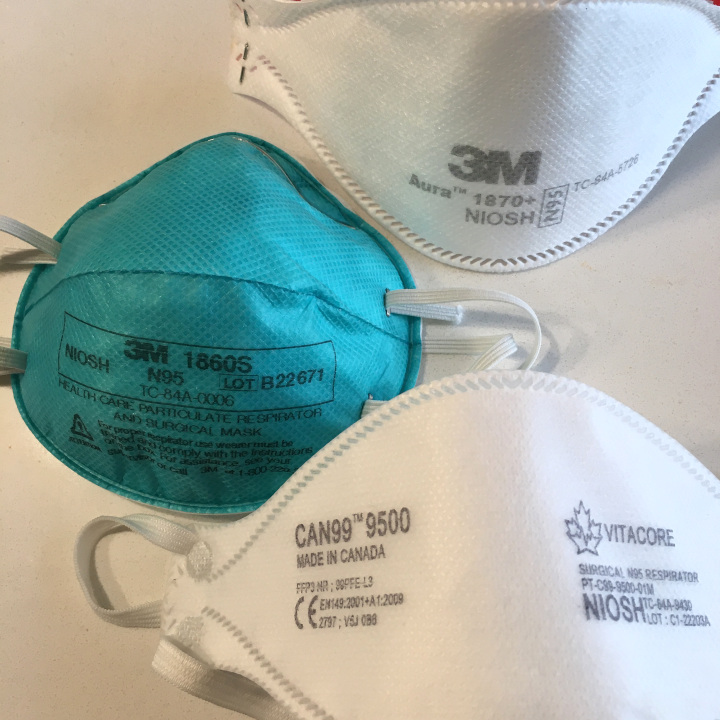
Free N95 masks available in many BC Interior communities as smoke persists

While there has been bits of relief at times over the past few days, wildfire smoke continues to be a part of our daily lives in the BC Interior right now.

Of course, wildfire smoke exposure can affect both short-term and long-term health, and people can’t always stay inside to avoid the poor outdoor air quality.

As a result, the Canadian Red Cross has stepped up to offer free N95 respirator masks across many BC Interior communities.

Comments closed

City of Castlegar offering free N95 masks

As wildfires continue to impact air quality across the West Kootenay, the City of Castlegar is offering free N95 masks through several local facilities and organizations.

Short-term smoke exposure can cause headaches, irritated eyes, sore throat, coughing, wheezing and worsen existing heart and lung conditions. In the long term, smoke exposure can contribute to the development of chronic diseases, such as heart disease and dementia, according to the Province of B.C. who has declared a provincial state of emergency due to the numerous wildfires throughout the province.

The province advises the best way to reduce health risks from wildfire smoke is to reduce exposure – create a clean air space at home, avoid strenuous exercise, avoid outdoor activities and wear a well-fitted N95 mask.

Comments closed

‘I couldn’t breathe’: the deadly health burden of wildfire smoke

Scientists race to untangle complex links between exposure and mortality as fire weather grows more prevalent

A thousand kilometres from the infernos gorging on northern Ontario’s boreal forests, Erin O’Connor watched the sky above Canada’s biggest city turn an “almost post-apocalyptic” orange as it filled with light-scattering particles of soot and ash. Stepping outside the halls of Toronto General hospital, where air filters were keeping patients safe from the worst of the fumes, she was struck by a smell so strong it felt like standing by a campfire.

“It really hit you in the face as soon as you walked outside,” said O’Connor, who runs University Health Network’s emergency department and saw a rise in patients presenting with allergies and shortness of breath. “As the days progressed, it was like that everywhere. It seemed even inside you could smell that burning.”

Far more than the flames that have engulfed southern Europe and North America in recent weeks, it is the smoke that dominates the astonishing death toll from combusting nature. Thick with toxic gases that inflame the airways and tiny particulates that breach the lungs and ride the bloodstream to hit every organ in the body, fumes from landscape fires kill 1.5 million people each year, a study in the Lancet found in 2024 – more than floods, flames, storms and heat combined.

Comments closed

Ticks have become a permanent fixture in Montreal’s parks

Ticks can transmit Lyme disease, among other things, as well as other bacteria.

Montrealers must now share their picnics and walks with some new parasitic neighbours: ticks. It is a presence that even the most city-bound residents will have to get used to, as these ticks are not about to go away any time soon, according to ecologists.

“We can’t get rid of them; it’s inevitable,” Jacques Brodeur, an ecologist and researcher at the University of Montreal, states bluntly. Ticks have arrived in Montreal, and it will not be possible to dislodge them, he believes.

Gone are the days when these ticks were mainly found in the tall grass of the Montérégie region. The tiny creatures are now everywhere, from the Outaouais to the Chaudière-Appalaches region, including major urban centres. Particularly in less well-maintained parks, Mr. Brodeur points out.

Comments closed

Metro Vancouver issues air quality warning

Hot temperatures and wildfire smoke have prompted a yellow air quality warning from Metro Vancouver.

The regional district issued the warning Thursday afternoon for residents of the east side of Metro Vancouver and the Fraser Valley. Environment Canada has also issued a heat warning for much of the province.

The Brunswick Complex of wildfires near Boston Bar, as well as wildfires in the southern Interior, are being blamed for an increase in smog and fine particulate matter concentrations.

Comments closed

COVID-19 outbreak declared over at Trail hospital

A COVID-19 outbreak on the second-floor surgical unit at Kootenay Boundary Regional Hospital in Trail has been declared over.

Interior Health said the outbreak ended Wednesday, July 15, after 12 patient cases were associated with the outbreak.

The causative agent was identified as COVID-19.

The outbreak was declared July 6 after the first case was identified July 1.

Comments closed

New Study Provides First Evidence of Dopamine System Injury in the Brain of Long COVID Patients

Findings have important implications for the pathophysiology of key COVID symptoms and suggest new potential avenues for treatment

Toronto, ON (July 10, 2026) — A new brain imaging study led by researchers at the Centre for Addiction and Mental Health (CAMH), published in eBioMedicine, provides the strongest evidence to date that long COVID is associated with injury to dopamine-releasing neurons in the brain—a finding that may explain symptoms such as lack of motivation due to fatigue, slowed movement, and memory difficulties, and could open the door to new treatment strategies.

Long COVID is estimated to affect five per cent of the world population, including two million Canadians, and is characterized by a wide range of persistent and sometimes debilitating symptoms, including brain-related ones such as fatigue, brain fog, memory problems, or low mood, that continue for at least three months following the initial COVID-19 infection. Despite its prevalence, no evidence-based treatments currently exist, largely due to limited understanding of the underlying brain pathology.

In the new study, researchers used positron emission tomography (PET) brain imaging to measure a well-established marker of dopamine neuron integrity in people with long COVID and healthy individuals.

Comments closed