Comments closedI’m talking about the workforce being diminished, the fact that people can’t think the way they used to think — we’re losing intellectual capital, we’re losing physical capital, we’re losing social capital.
And I wish people would understand the urgency of solving this, because what I’m seeing various countries doing in terms of their response to long COVID is they’re throwing a token amount of money towards research and saying, ‘Well, that will solve it’, patting themselves on the back without understanding that this is just as large an existential threat as climate change.
Tag: cognitive issues
Small study finds brain alterations after COVID Omicron infection
Researchers in China report thinning of the gray matter and other changes in certain parts of the brain in 61 men after COVID-19 Omicron infection.
For the study, published late last week in JAMA Network Open, the researchers evaluated 61 men before and after infection with the SARS-CoV-2 Omicron variant in January 2023. The men had been part of a larger cohort who had undergone magnetic resonance imaging (MRI) and neuropsychiatric screenings before infection in August and September 2022. Average age was 43 years.
Comments closedMRI study spotlights impact of long COVID on the brain
A new study comparing magnetic resonance imaging (MRI) images of patients with long COVID, fully recovered COVID-19 survivors, and healthy controls shows microstructural changes in different brain regions in the long-COVID patients. The findings will be presented next week at the annual meeting of the Radiological Society of North America.
Comments closedThe eighth COVID-19 wave is here. Could catching it trigger Alzheimer’s, Parkinson’s or autoimmune disorders?
From the earliest days of the COVID-19 pandemic, scientists have raised concerns about the potential for long-term health problems linked to SARS-CoV-2 and warned repeated infections are likely to increase the risk.
An association between COVID and cardiovascular disease emerged quickly.
And now — almost exactly four years since the first case was discovered in Wuhan — a growing body of scientific research is cautiously linking the inflammation caused by a COVID infection to diseases like Alzheimer’s and Parkinson’s as well as autoimmune conditions from bowel disease to rheumatoid arthritis.
Comments closedCan’t Think, Can’t Remember: More Americans Say They’re in a Cognitive Fog
There are more Americans who say they have serious cognitive problems — with remembering, concentrating or making decisions — than at any time in the last 15 years, data from the Census Bureau shows.
The increase started with the pandemic: The number of working-age adults reporting “serious difficulty” thinking has climbed by an estimated one million people.
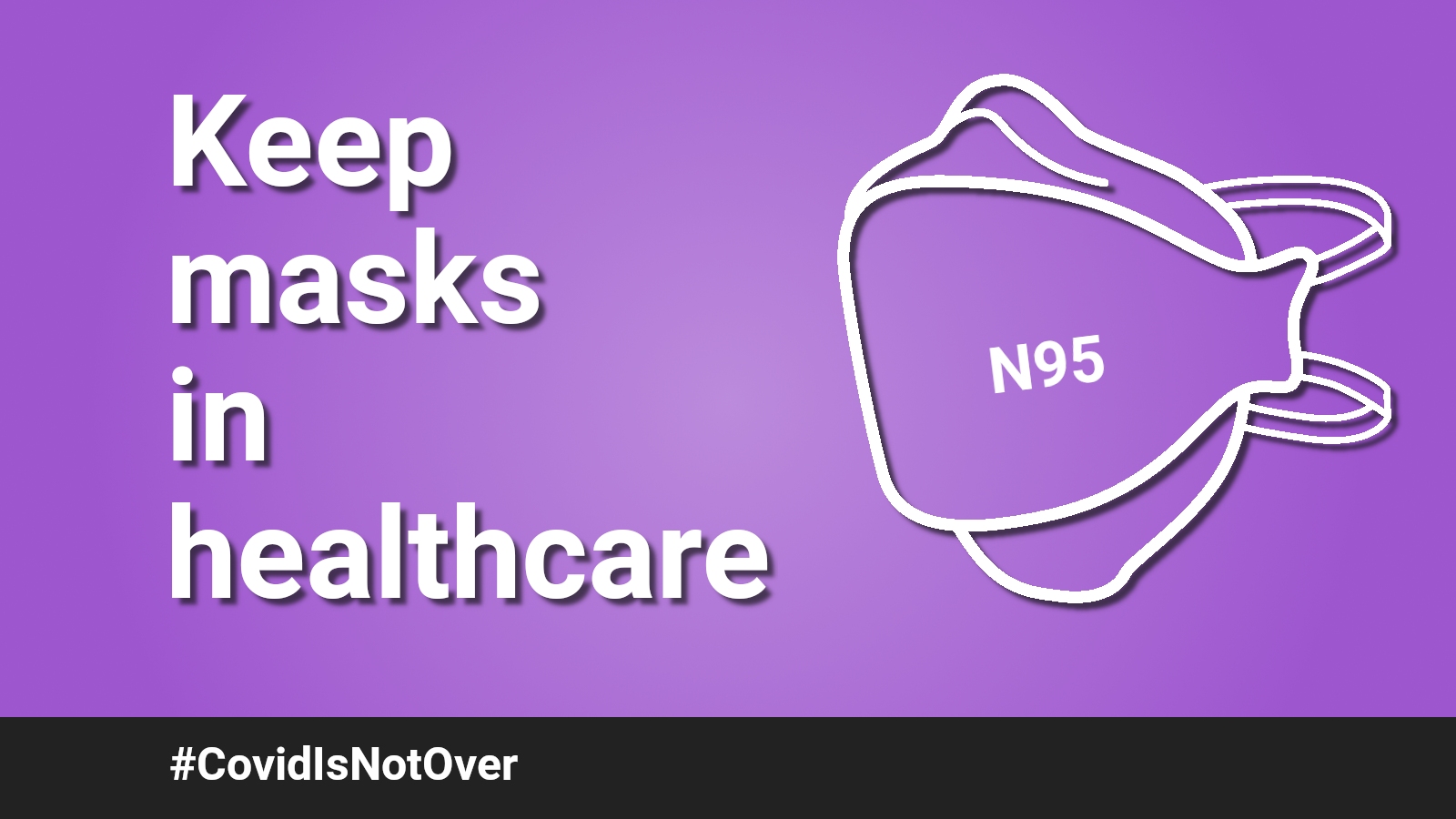
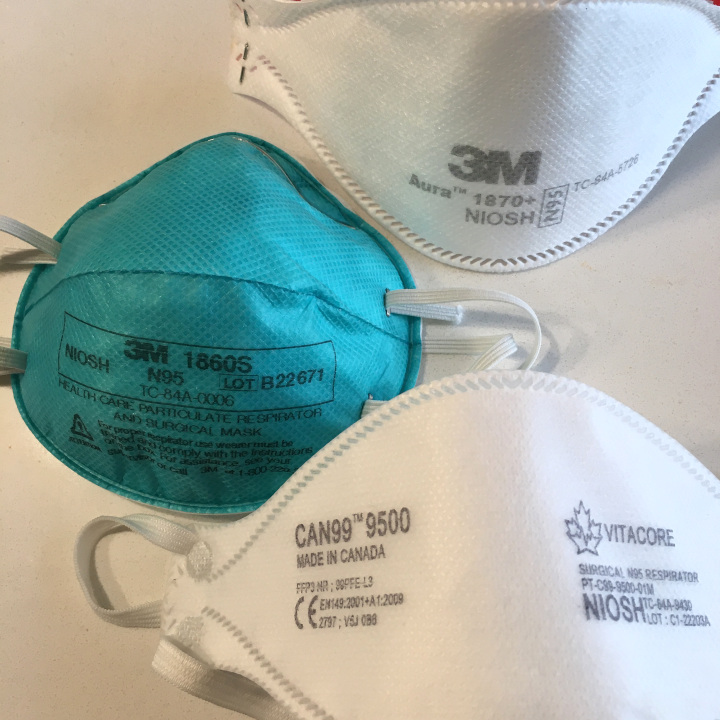
Comments closedOntario: Keep masks in healthcare!
📣 Let hospital CEOs and MPPs know you want universal masking with respirators in Ontario hospitals
✉️ Send letters to voice your support for universal masking with respirators in hospitals. You can use your own email software to send the letters.
Why take action? SARS-CoV-2 is an airborne, level 3 pathogen. We need universal masking with respirators to prevent COVID-induced health issues, including long COVID, cognitive issues, and cardiovascular diseases.
Please take a moment to voice your support for universal masking with respirators in Ontario hospitals!
Comments closedSARS-CoV-2 virus found to migrate within neurons and infect the brain
The emergence of different variants of SARS-CoV-2 has produced a wide range of clinical profiles and symptoms in patients. For the first time, researchers at the Institut Pasteur and Université Paris Cité have demonstrated, in an animal model, a characteristic common to several SARS-CoV-2 variants: the ability to infect the central nervous system.
Comments closedMore than 5% of Irish adults living with long Covid symptoms
More than 5 per cent of adults in Ireland are living with symptoms of long Covid, according to a new survey.
Comments closedHigh levels of 2 blood-clotting proteins may portend post-COVID brain fog
High levels of two blood biomarkers during infection could predict cognitive dysfunction, or “brain fog,” among COVID-19 survivors 6 and 12 months after hospitalization, according to a UK study published yesterday in Nature Medicine.
Comments closedBlood Clotting Proteins Might Help Predict Long COVID Brain Fog
Many people who have long COVID—a condition in which health issues persist months after infection—report struggling with “brain fog,” recurring memory and concentration lapses that make it difficult to function in everyday life. Now a new study has found these cognitive problems could result from blood clots triggered by infection, possibly through mechanisms like those that cause some types of dementia. These clots leave telltale protein signatures in blood, suggesting that testing for them could help predict, diagnose and possibly even treat long COVID.
Comments closedΜακρά Covid-19: Οι θρόμβοι αίματος μπορεί να ευθύνονται για την εγκεφαλική ομίχλη
Blood clots in the brain or lungs may be responsible for certain symptoms of long COVID, including brain fog and fatigue, according to a new British study.
Comments closedHalifax researcher seeks COVID-19 long haulers to study effects of virus on brain
Dr. Carlos Hernandez is an assistant professor in Dalhousie University’s faculty of computer science. He hopes to contribute to long COVID research in collaboration with scientists at Western University in London, Ont., and the National Autonomous University of Mexico in Mexico City in a multi-year study assessing cognitive damage caused by the condition.
But there’s just one issue: He needs more participants in the Halifax area.
Comments closedLong COVID still worrisome 2 years after infection
Comments closedOur findings highlight the substantial cumulative burden of health loss due to long COVID and emphasize the ongoing need for health care for those faced with long COVID. It appears that the effects of long COVID for many will not only impact such patients and their quality of life, but potentially will contribute to a decline in life expectancy and also may impact labor participation, economic productivity, and societal well-being.
Long Covid symptoms create a greater burden of disability than heart disease or cancer, new study shows
People who survived Covid-19 early in the pandemic, before there were vaccines, continued to be at higher risk for a slew of health problems for up to two years after they got over their initial infections, compared to others who didn’t test positive, a new study finds, and that was especially true if they were hospitalized.
These health problems include heart problems, blood clots, diabetes, neurologic complications, fatigue and difficulties with mental health and have come to be known collectively as long Covid.
Comments closedMany long-covid symptoms linger even after two years, new study shows
People who endured even mild cases of covid-19 are at heightened risk two years later for lung problems, fatigue, diabetes and certain other health problems typical of long covid, according to a new study that casts fresh light on the virus’s true toll.
The analysis, published Monday in the journal Nature Medicine, is believed to be the first to document the extent to which an array of aftereffects that patients can develop — as part of the diffuse and sometimes debilitating syndrome known as long covid — linger beyond the initial months or year after they survived a coronavirus infection.
Comments closed