
Mild COVID-19 can cause severe and long-lasting eye problems, according to a study from Linköping University, Sweden. The study also explains why it has been…
Comments closedTag: SARS-CoV-2
Topic: indoor air qualityView all posts for the topic: indoor air quality
Buildings May Soon Have ‘Immune Systems’ That Fight Airborne Disease
Following the pandemic, the federal government is spending $150 million on new technology to ensure clean indoor air. Here’s what scientists are pursuing.
Linsey Marr, an environmental engineer, stood next to a pair of clear plastic boxes packed with tubes, nozzles and electronics, an odd-looking prototype that one day might serve to protect children in day care from airborne pathogens.
A nozzle filled the right-hand box with a faint silvery mist. A pump pulled some of that air into the left-hand box, where a sampler trapped floating particles and droplets. Soon, a digital screen bolted to the box turned red: “Detected! Dust mite allergen Der f 1.”
A protein shed by dust mites, Der f 1 can trigger asthma attacks when inhaled. Dr. Marr’s device had detected 843 picograms of Der f 1 per cubic meter. A single grain of salt is about 10 million times as heavy.
Comments closedTopic: long COVIDView all posts for the topic: long COVID
Long COVID may affect 1 in 6 infected patients
Long COVID may be affecting far more Americans than current estimates suggest, with a study published last week in JAMA Network Open estimating that roughly one in six people infected with SARS-CoV-2 develop the condition, and nearly 90% go on to experience chronic health problems.
For the study, a team led by researchers at Massachusetts General Hospital analyzed health record data from 457,950 adults treated for COVID-19 (also known as postacute sequelae of SARS-CoV-2 infection, or PASC) across 58 hospitals and clinics in New England, Southeast Texas, Southern California, and Western Pennsylvania.
The researchers identified long COVID cases by detecting symptoms and conditions that emerged after infection and could not be explained by preexisting conditions.
Comments closed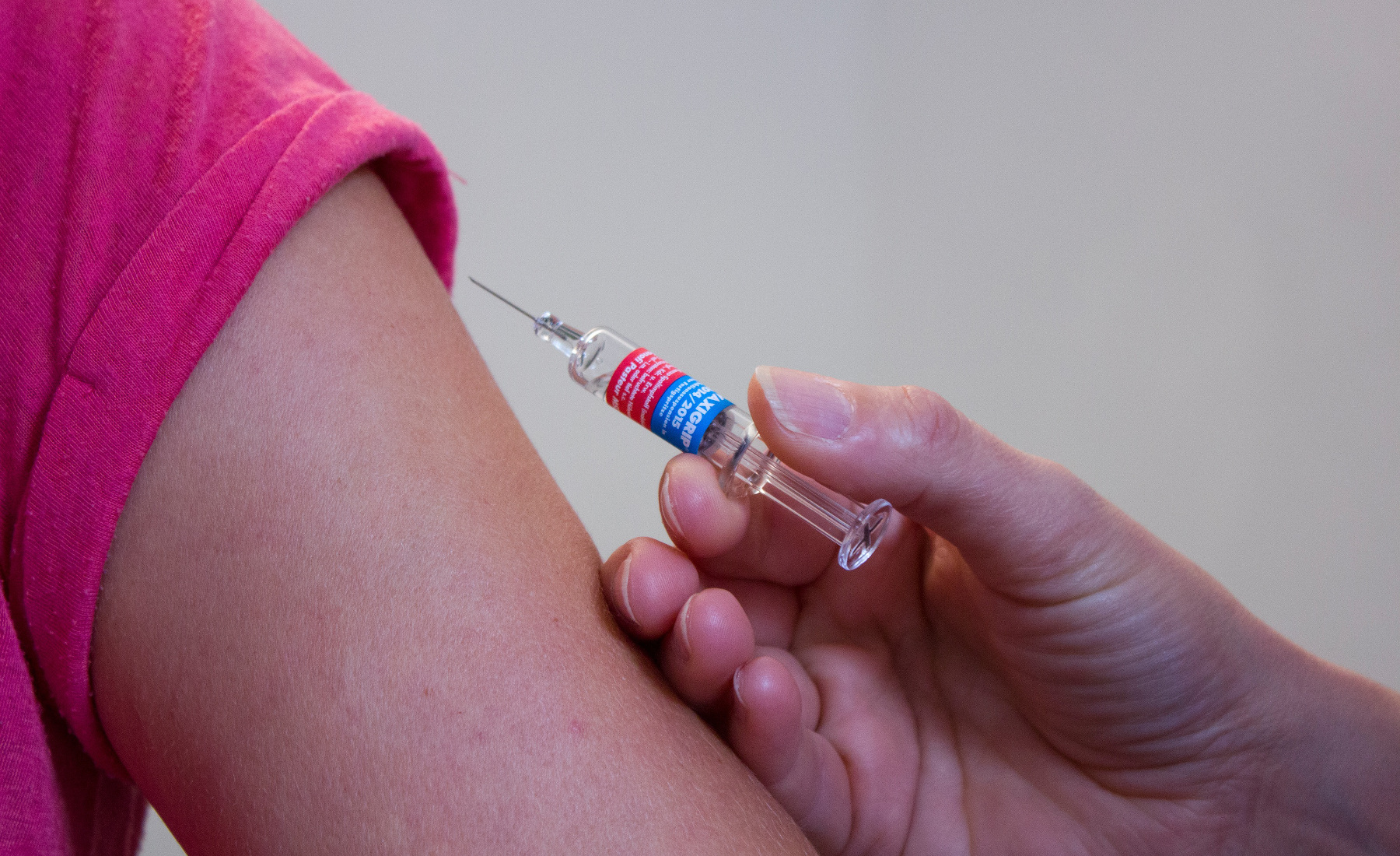
Topic: vaccinesView all posts for the topic: vaccines
Seasonal COVID-19 vaccination in 2025/26 reduced risk of illness by half in Canada
An interim analysis published in Eurosurveillance estimates that the COVID-19 vaccine for the 2025/26 season reduced the risk of illness in Canada by about half at about 9 weeks after vaccination, offering protection beyond the vaccine’s target strain.
Seasonal COVID-19 vaccination is recommended in Canada as in several other countries for people older than 6 months with an increased risk of severe illness from the infection, and for all adults aged 65 or older. In the 2025/26 respiratory virus season, the vaccine was updated to target the LP.8.1 strain as recommended by the World Health Organization (WHO), but other strains were also circulating during that period.
Comments closedTopic: anti-vaxxersView all posts for the topic: anti-vaxxers
HHS rejects publication of study showing Covid-19 vaccines prevent hospitalizations, ER visits
Covid-19 vaccines roughly halved the chances that a US adult would need to visit the emergency room or be hospitalized with their infections last fall and winter, according to two sources familiar with the findings of a new study. But you won’t hear about it from the agency that led the research: the US Centers for Disease Control and Prevention.
The current head of the CDC, Dr. Jay Bhattacharya, who’s also director of the US National Institutes of Health, blocked the publication of those findings in the CDC’s flagship journal, the Morbidity and Mortality Weekly Report, according to the sources.
The authors of the study received an official rejection letter from the journal on Tuesday, one source said, even though the study had cleared internal reviews and had been scheduled for publication.
Comments closedTopic: hospitalizationsView all posts for the topic: hospitalizations
Hospitalization rates for illnesses like COVID, flu have doubled since pre-pandemic, report finds
Vaccine-preventable respiratory infections sending thousands to hospital, all while vaccine uptake is dropping
Years after the virus that causes COVID-19 kicked off a global pandemic, it’s still sending thousands of Canadians into hospital each year alongside other respiratory infections — despite a suite of vaccines that can slash someone’s risk of serious illness.
Striking new data from the Canadian Institute for Health Information (CIHI) shows hospitalization rates for vaccine-preventable respiratory diseases more than doubled in 2024 compared to pre-pandemic levels, all while vaccination rates are backsliding.
There were 142 hospitalizations for every 100,000 Canadians that year, the data shows, up from roughly 66 per 100,000 in 2019.
Comments closed
Topic: take actionView all posts for the topic: take action
Nuvaxovid now! We need access to the Nuvaxovid COVID-19 vaccine in 2026/2027!
📣 Let health ministers know you want timely access to the Nuvaxovid (formerly Novavax) COVID-19 vaccine for the 2026/2027 season
✉️ Send letters to health ministers to voice your support for access to the Nuvaxovid COVID-19 vaccine in 2026/2027. Use our online tool to send emails.
Comments closedTopic: long COVIDView all posts for the topic: long COVID
Common antidepressant can treat long COVID fatigue symptoms: study
A common and low-cost antidepressant can successfully treat fatigue associated with long COVID, according to a new study.
Co-led by researchers from McMaster University in Ontario, the study found that the drug fluvoxamine, which is commonly sold under the name Luvox, significantly reduced fatigue symptoms in a clinical trial of 399 adults with long COVID. It is one of the first times a medication has been shown to effectively treat the condition.
“This is an important step forward for patients who have been desperate for evidence‑based options,” senior author and McMaster University professor Edward Mills said in a news release.
Comments closedTopic: Newfoundland and LabradorView all posts for the topic: Newfoundland and Labrador
Video | Many people in N.L. continue to struggle with Long Covid
Disinformation / misinformation
The pandemic is not over.
Topic: vaccinesView all posts for the topic: vaccines
Judge Strikes Down Kennedy’s Vaccine Policies
Ruling on a lawsuit brought by several prominent medical organizations, a district court said the federal government had not based its decisions on science in limiting Covid shots and revising the childhood immunization schedule.
In a severe blow to the Trump administration’s health agenda, a federal judge in Massachusetts on Monday blocked the government from implementing a series of decisions on vaccines made over the last year by Health Secretary Robert F. Kennedy Jr.
The ruling also reversed, at least for the time being, all decisions made by the panelists that Mr. Kennedy appointed to the Advisory Committee for Immunization Practices, which makes recommendations on which vaccines Americans should take. The court decision will prevent the committee from meeting later this week, as it was scheduled to do.
Comments closedTopic: long COVIDView all posts for the topic: long COVID
Video | Doctors, patients raise awareness on Long COVID Awareness Day
Sunday marks International Long Covid Awareness Day, held annually on March 15. Six years after a global pandemic was declared, the affliction continues to be a battle for some long after their initial COVID-19 infection. The CBC’s Baneet Braich has more on the efforts to raise awareness about the illness.
Comments closed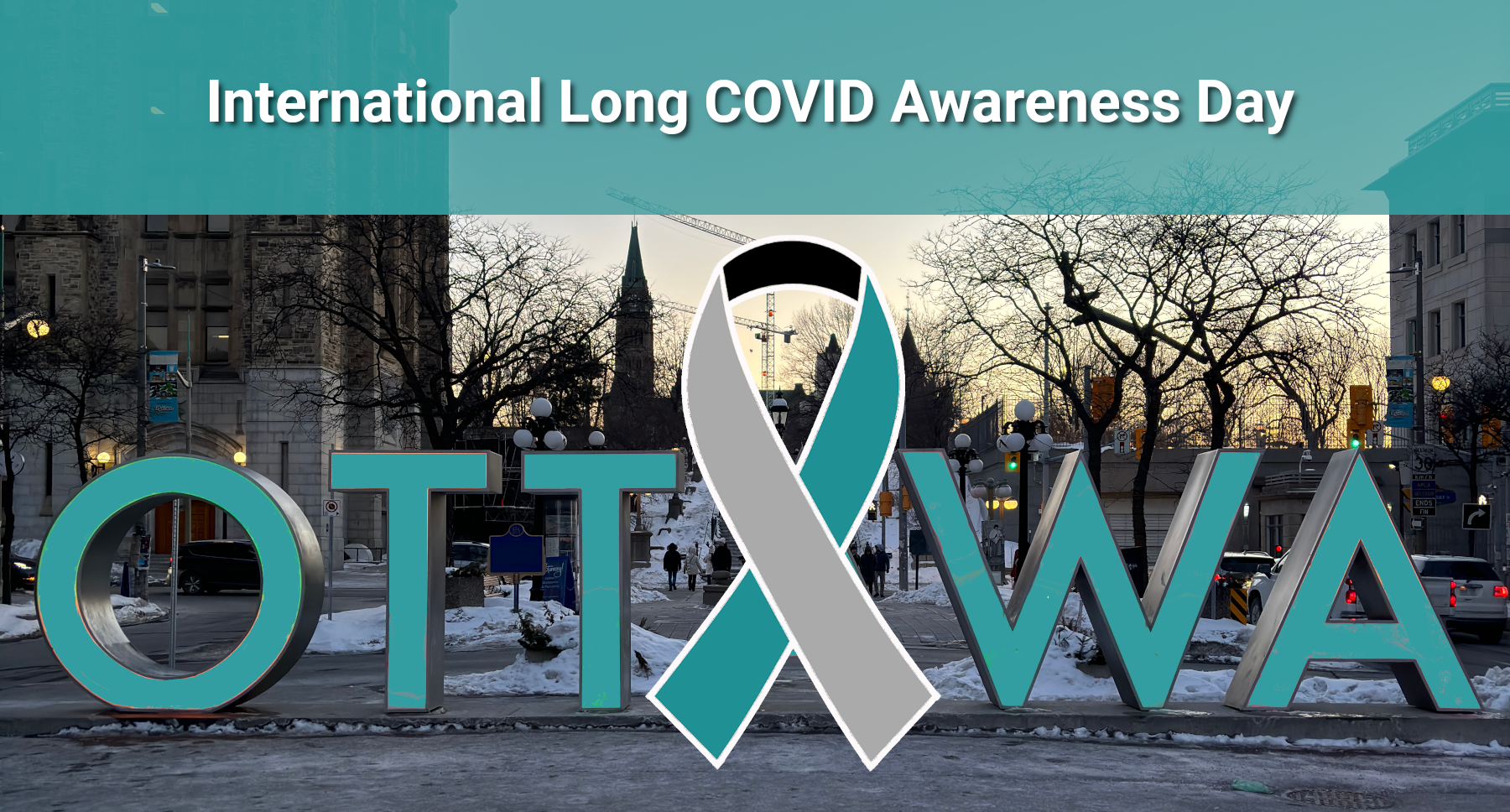
Topic: Ottawa-GatineauView all posts for the topic: Ottawa-Gatineau
International Long COVID Awareness Day 2026
International Long COVID Awareness Day – COVID-cautious walk
Date: Sunday, March 15, 2026
Time: 7 pm – 8 pm
Where: Ottawa City Hall (meet at the entrance, Laurier Avenue side)
Join us for a walk on International Long COVID Awareness Day, Sunday, March 15, 2026 at 7 pm. The route is wheelchair-accessible.
Comments closedTopic: airborne transmissionView all posts for the topic: airborne transmission
Study: SARS-CoV-2 RNA found in 39% of hospital air samples during outbreaks, despite good ventilation
COVID-19 genetic material was frequently detected in hospital air during community outbreaks, even in well-ventilated settings, according to a new study published in Respiratory Medicine.
A team led by Kirby Institute researchers conducted air and surface sampling in the emergency department (ED) and intensive care unit (ICU) of a large metropolitan hospital in Sydney, Australia, during two COVID-19 waves between November 2023 and July 2024. Their testing found that 39% (20 of 51) of aerosol samples were positive for SARS-CoV-2 RNA.
Detection was significantly more common in the ED than in the ICU. Of the positive samples, 80% were collected in the ED and 20% in the ICU.
Comments closed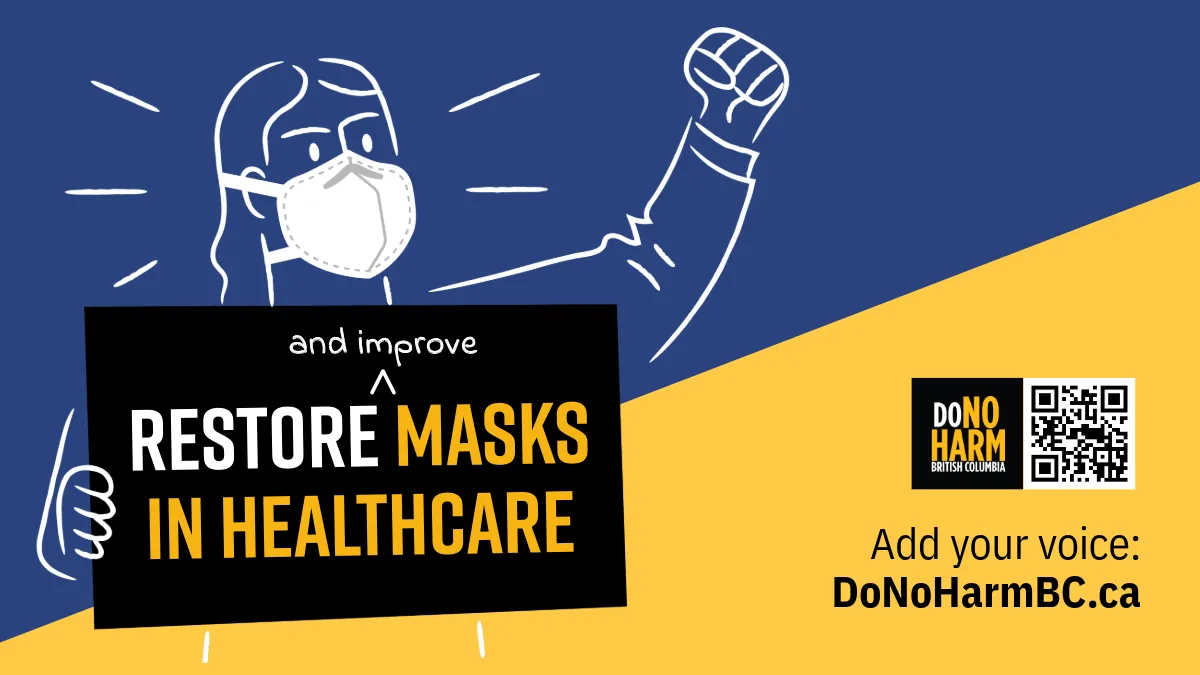
Topic: British ColumbiaView all posts for the topic: British Columbia
Independent health groups urge BC to reinstate and improve healthcare mask protections
DoNoHarm BC and Protect Our Province BC warn of patient harm, staff shortages, and rising international risks
February 12, 2026 (British Columbia, Canada) – Independent public health groups in BC are calling on policy-makers to reinstate and improve mask requirements in medical settings. The call comes amidst multiple recent influenza and COVID-19 outbreaks in healthcare, following a winter punctuated by “unprecedented” ER closures and staff shortages, as well as massive measles outbreaks and a prolonged COVID wave across the border.
Comments closedTopic: long COVIDView all posts for the topic: long COVID
Snapshots of the unseen: How we focused Long COVID in a recent photo exhibition
“Are you sick?” the Uber driver asked. “Is that why you’re wearing a mask?”
I launched into my usual monologue, delivered to strangers weekly at this point, explaining how COVID-19 transmission is still high and that I don’t want to be reinfected to worsen my existing Long COVID.
He looked at me, puzzled, through the rearview mirror. “I haven’t heard of that before,” he said, “but you look really good!”
I awkwardly stammered that I can no longer exercise, and a few years ago I could barely leave the house, almost dropping out of my graduate school program. I listed statistics of Long COVID prevalence and the compounding risks of infections.
Comments closedTopic: wastewater monitoringView all posts for the topic: wastewater monitoring
The Secret Weapon in Canada’s Sewers
As America takes an axe to its health data, expanding wastewater surveillance could save lives
As a virologist, I spend my days thinking about how to detect outbreaks of coronaviruses, mpox, West Nile and other pathogens early enough to stop them. Right now, I’m concerned about Canada’s awful flu season and the fact that we recently lost our measles-elimination status. But mostly, I’m terrified of what’s unfolding south of the border.
The consequences of the Trump administration’s cuts to the CDC and NIH will extend far beyond America. Those agencies form the backbone of North America’s infectious-disease surveillance. They track variants, monitor cross-border spread and feed data into global systems coordinated by the World Health Organization, helping everyone on Earth prepare. When those programs are dismantled, Canada loses key warning signs of influenza, RSV, measles and whatever diseases are coming next.
Comments closed