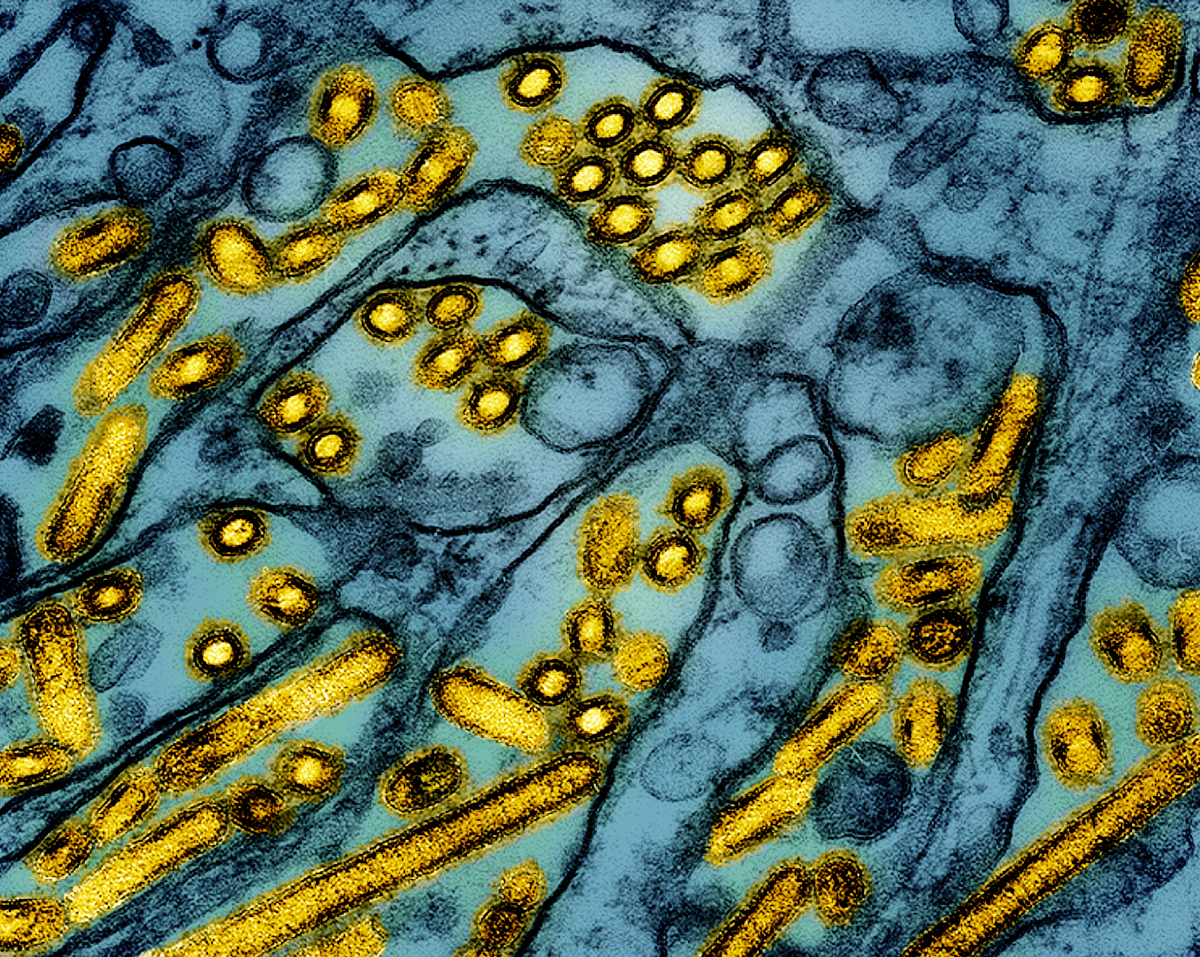
Comments closedNext time you think of dismissing COVID as just another annoying common cold it may pay to visualise what you see so starkly in this paper, the virus moving freely around your body and finding a long-term home in all sorts of places where it can really cause trouble, including the brain and the heart.
This work further emphasises the need for individuals, and societies as a whole to take this infection more seriously and try and reduce the amount of transmission using the tools we currently have, most especially vaccination, clean indoor air approaches and well-fitted masks in crowded and poorly ventilated indoor settings.
Category: News
Hundreds may have been exposed to measles during November NATO conference in Montreal
Montreal Public Health says hundreds of people may have been exposed to measles during a recent NATO conference in the city.
The agency says one of the participants in the military alliance’s parliamentary assembly, which took place in Montreal last month, received a measles diagnosis after returning to their home country and would have been contagious while they were in the city.
Comments closedIf the world finds itself amid a flu pandemic in a few months, it won’t be a big surprise. Birds have been spreading a new clade of the H5N1 avian influenza virus, 2.3.4.4b, around the world since 2021. That virus spilled over to cattle in Texas about a year ago and spread to hundreds of farms across the United States since. There have been dozens of human infections in North America. And in some of those cases the virus has shown exactly the kinds of mutations known to make it better suited to infect human cells and replicate in them.
No clear human-to-human transmission of H5N1 has been documented yet, but “this feels the closest to an H5 pandemic that I’ve seen,” says Louise Moncla, a virologist at the University of Pennsylvania. “If H5 is ever going to be a pandemic, it’s going to be now,” adds Seema Lakdawala, a flu researcher at Emory University.
Comments closedSingle bird flu mutation could let it latch easily to human cells, study finds
Scientists from the Scripps Research Institute are reporting that it would take just a single mutation in the version of bird flu that has swept through U.S. dairy herds to produce a virus adept at latching on to human cells, a much simpler step than previously imagined.
To date, there have been no documented cases of one human passing avian influenza to another, the Scripps scientists wrote in their paper, which was published Thursday in the journal Science. The mutation they identified would allow the virus to attach to our cells by hitching itself to a protein on their surface, known as the receptor.
Comments closedOpinion: This holiday season, let’s spread kindness, not COVID
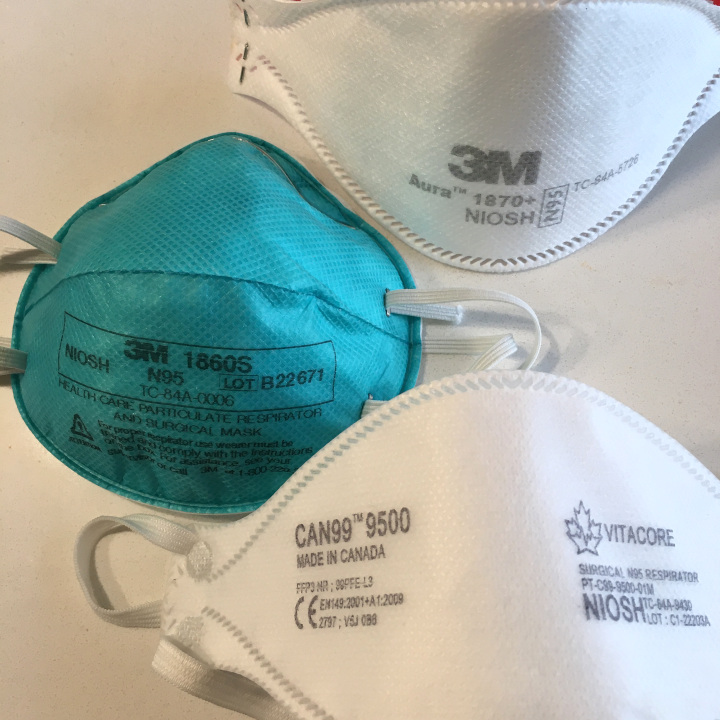
Comments closedIt can be surprisingly simple to protect our health and the health of others — by masking in public with high-quality masks (such as KN95 or N95), testing before gatherings, increasing ventilation, and staying home if sick.
How Ag-Gag Laws Hurt Animals and Increase Pandemic Risks
Content warning: This article contains depictions of animal suffering and inhumane treatment of animals.
A teen in British Columbia recently became critically ill after becoming infected with H5N1. H5N1 is a highly pathogenic strain of bird flu.
Outbreaks of avian influenza, or bird flu, in livestock and flocks on industrial-scale chicken and dairy farms — so-called factory farms — in the United States are raising alarm bells for public health across the world.
Mainstream commercial animal agriculture is conducted in an intensive way in often cramped and unhygienic environments. These conditions are ideal for new viruses to jump from animals to humans.
Comments closedAlmost a third of preteens, teens with long COVID still not recovered at 2 years, study shows
A new study from UK investigators shows that — while most COVID-19 patients ages 11 to 17 who reported long-COVID symptoms 3 months after the initial infection no longer experienced lingering symptoms at 2 years — 29% still did.
The findings, published in the journal Communications Medicine, come from the National Long COVID in Children and Young People cohort study, which followed up on thousands of young people after their COVID-19 diagnoses.
Comments closedUK orders H5 avian flu vaccine for pandemic preparedness
The UK Health Security Agency (HSA) today announced a contract with CSL Seqirus to buy more than 5 million doses of human H5 avian flu vaccine to prepare for a potential influenza pandemic.
In a statement, the HSA said the vaccine will be based on a current H5 strain and is part of a longer-term plans to ensure access to vaccines for a wider range of pathogens that have pandemic potential.
Comments closedExperimental study shows connection between COVID infection and age-related blindness
An experimental study in mice shows that SARS-CoV-2 infection can damage the retinas, with long-term implications for vision. Post-acute sequelae of SARS-CoV-2 infection include various neurocognitive symptoms, suggesting the virus can affect the central nervous system. The eyes are also part of the central nervous system, but little is known about the virus’s effects on these organs.
Comments closedSevere COVID-19 may be a risk factor for multiple sclerosis
COVID-19 may be a risk factor for multiple sclerosis (MS). This has been shown by new research at Örebro University and Örebro University Hospital, Sweden. The study is published in the journal Brain Communications.
“We saw a raised risk of MS among people who had severe COVID-19. However, only an extremely small number of people who had severe COVID-19 received a subsequent MS diagnosis,” says Scott Montgomery, professor in clinical epidemiology.
Comments closedLong-term exposure to wildfire smoke associated with increased risk of dementia: study
Being exposed to wildfire smoke over a long period of time could increase the risk of developing dementia even more than exposure to other sources of air pollution, according to new research.
In the study, published last week in the journal JAMA Neurology, researchers looked at a cohort of more than 1.2 million people over the age of 60 living in Southern California between 2008 and 2019. They tracked dementia incidence among the cohort and compared it to the average concentration of fine particulate matter, also known as PM2.5, in the air due to wildfires in the region.
They found that when the three-year average concentration of wildfire PM2.5 went up by just one microgram per cubic metre of air, there was an associated 18 per cent increase in the odds of a dementia diagnosis.
Comments closedA Kingston family doctor is being ordered to repay more than $600,000 to the Ontario government for what the province says was reimbursement for improperly billed medical services related to mobile COVID-19 vaccination clinics.
Dr. Elaine Ma has been told by the Health Services Appeal and Review Board to repay $600,962.61, plus interest, to the Ontario Health Insurance Plan (OHIP), to reimburse money she billed the province for vaccinations administered during drive-in COVID-19 vaccination clinics between July 2021 and January 2022.
Comments closedLong a ‘Crown Jewel’ of Government, N.I.H. Is Now a Target
The National Institutes of Health, the world’s leading public funder of biomedical research, has an enviable track record. Research supported by the agency has led to more than 100 Nobel Prizes and has supported more than 99 percent of the drugs approved by federal regulators from 2010 to 2019.
No surprise, then, that the agency has been called “the crown jewel of the federal government.” But come January, when President-elect Donald J. Trump and congressional Republicans take charge, the N.I.H. may face a reckoning.
Comments closedMontreal protests: Police Brotherhood wants to force protesters to reveal their faces
he president of the Montreal Police Brotherhood, Yves Francoeur, declared Friday on TVA Nouvelles that he is mandating his lawyers to find legal ways to force demonstrators to reveal their faces, describing the situation as unacceptable.
“Yes, citizens have the right to demonstrate, but why would someone need to cover their face, if it is not to do bad things?”, declared Mr. Francoeur. Moreover, his public comments come a week to the day after a demonstration against NATO that degenerated downtown.
Comments closedStanford Doctor Tapped for Key Post by Trump Advocated for Letting COVID Spread
President-elect Donald Trump’s choice this week to lead the National Institutes of Health is a controversial Stanford researcher who was highly critical of the COVID-19 pandemic response, drawing pushback from the medical community and some still suffering from the long-term effects of the disease.
Dr. Jay Bhattacharya, a professor of health policy and senior fellow at the Stanford Institute for Economic Policy Research, was one of three co-authors of a 2020 letter that challenged policies like lockdowns and mask mandates, and called for speeding up herd immunity.
Comments closed