Recent evidence has emerged to suggest that age-related macular degeneration (AMD) is a clinical risk factor for increased risk for infection and mortality. AMD has been reported to confer higher risk of severe complications of SARS-CoV-2 infection, including respiratory failure and death (25 percent), a risk which is higher than Type 2 diabetes (21 percent) and obesity (13 percent).
Comments closedTag: research
Topic: immune systemView all posts for the topic: immune system
Immune systems seriously weakened by COVID
Emergency wards remain busy two years after the first COVID-19 vaccines arrived in Ontario in part because the virus depletes the body’s supply of T-cells, leaving young and old alike vulnerable to secondary infections, says a University of Waterloo immunologist.
T-cells are the front-line soldiers of the immune system, and the number of T-cells typically increases when the body is fighting off an infection, said Barb Katzenback, who studies viruses.
“Individuals who are infected with COVID have many fewer T-cells,” said Katzenback. “That’s a problem for us because T-cells are a really important part of our immune system that helps defend us against infection.”
Comments closedTopic: immunity theftView all posts for the topic: immunity theft
Opinion: We don’t know what’s causing the tsunami of sick kids, but we’d better figure it out fast
Something concerning is happening to our children. Unlike previous autumns, this year there seem to be far more kids falling ill, and far too many…
Comments closedTopic: immune dysfunctionView all posts for the topic: immune dysfunction
Video | Is COVID-19 Dysregulating Our Immune Systems?
Are people becoming sick more often, experiencing more severe symptoms and having more difficulty treating viral infections after having had COVID-19? If so, why? Epidemiologists,…
Comments closedTopic: cardiovascular diseaseView all posts for the topic: cardiovascular disease
Unlike flu, COVID-19 attacks DNA in the heart: new research
Direct research on the hearts of COVID-19 patients who have died from the disease has revealed they sustained DNA damage in a way completely unlike how influenza affects the body.
Comments closedTopic: OmicronView all posts for the topic: Omicron
Omicron deadlier for Ontario seniors than previous two waves combined
Even as Ontario began reopening its economy and returning to some semblance of normalcy this year, COVID-19 was wreaking havoc on the lives of older residents — killing them at higher rates than the past two waves, new data shows.
Comments closedTopic: neurodegenerative diseasesView all posts for the topic: neurodegenerative diseases
COVID-19 positive patients at higher risk of developing neurodegenerative disorders, new study shows
COVID-19 positive outpatients are at an increased risk of neurodegenerative disorders compared with individuals who tested negative for the virus, a new study presented today at the 8th European Academy of Neurology (EAN) Congress has shown.
The study, which analysed the health records of over half of the Danish population, found that those who had tested positive for COVID-19 were at an increased risk of Alzheimer’s disease, Parkinson’s disease, and ischaemic stroke.
Comments closedTopic: long COVIDView all posts for the topic: long COVID
Long COVID Risk Falls Only Slightly after Vaccination
Vaccination against SARS-CoV-2 lowers the risk of long COVID after infection by only about 15%, according to a study of more than 13 million people. That’s the largest cohort that has yet been used to examine how much vaccines protect against the condition, but it is unlikely to end the uncertainty.
Comments closedTopic: cognitive issuesView all posts for the topic: cognitive issues
Covid hospitalisation may affect thinking similar to 20 years of ageing
Some people experience lingering cognitive decline, with degree of impairment linked to illness severity.
Comments closedTopic: diabetesView all posts for the topic: diabetes
Diabetes risk rises after COVID, massive study finds
People who get COVID-19 have a greater risk of developing diabetes up to a year later, even after a mild SARS-CoV-2 infection, compared with those who never had the disease, a massive study of almost 200,000 people shows.
Comments closedTopic: heart diseaseView all posts for the topic: heart disease
Even Mild COVID Can Increase the Risk of Heart Problems
Overall, the risk of any heart complication over the course of one year was 63 percent higher in people who had gotten COVID compared with those in the contemporary control group. At the end of a year, there were 45 additional cardiovascular events—such as stroke or heart failure—per 1,000 people among those who tested positive for COVID.
Comments closedTopic: brain shrinkageView all posts for the topic: brain shrinkage
Covid can shrink brain and damage its tissue, finds research
The first major study to compare brain scans of people before and after they catch Covid has revealed shrinkage and tissue damage in regions linked to smell and mental capacities months after subjects tested positive.
Comments closedTopic: HEPA filtersView all posts for the topic: HEPA filters
Des purificateurs d’air pourraient s’avérer utiles dans certains milieux hospitaliers
The idea of using air purifiers to limit the spread of COVID-19 is not new. It has been attracting interest, particularly from health professionals, since…
Comments closedTopic: life expectancyView all posts for the topic: life expectancy
COVID-19 has caused the biggest decrease in life expectancy since World War II
The COVID-19 pandemic triggered life expectancy losses not seen since World War II in Western Europe and exceeded those observed around the dissolution of the Eastern Bloc in central and Eastern European countries, according to research published today, led by scientists at Oxford’s Leverhulme Centre for Demographic Science.
Comments closed
Topic: climate crisisView all posts for the topic: climate crisis
Wildfire smoke may have contributed to thousands of extra COVID-19 cases and deaths in western U.S. in 2020
Thousands of COVID-19 cases and deaths in California, Oregon, and Washington between March and December 2020 may be attributable to increases in fine particulate air pollution (PM2.5) from wildfire smoke, according to a new study co-authored by researchers at Harvard T.H. Chan School of Public Health.
Comments closedTopic: universal maskingView all posts for the topic: universal masking
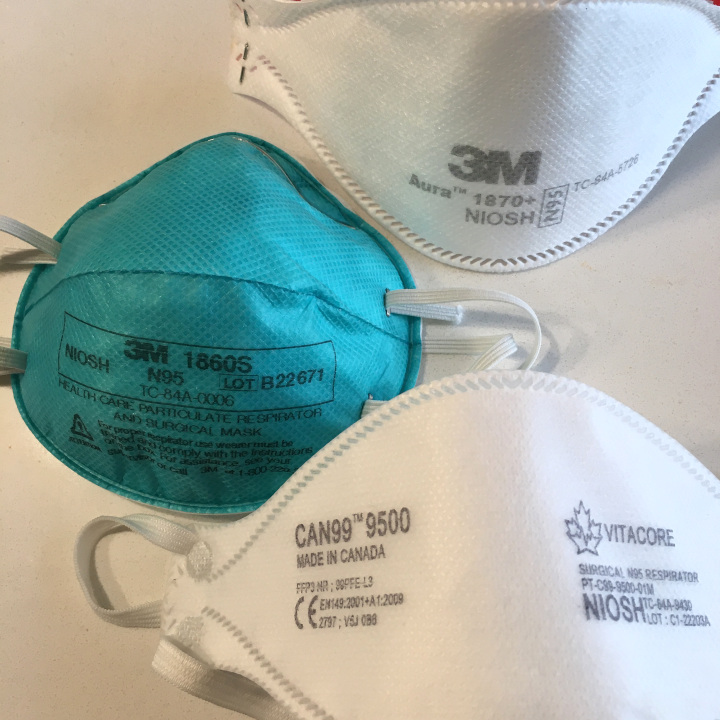
Upgrading PPE for staff working on COVID-19 wards cut hospital-acquired infections dramatically
“Once FFP3 respirators were introduced, the number of cases attributed to exposure on COVID-19 wards dropped dramatically – in fact, our model suggests that FFP3 respirators may have cut ward-based infection to zero.”
Comments closedTopic: universal maskingView all posts for the topic: universal masking
Cambridge hospital’s mask upgrade appears to eliminate Covid risk to staff
Hospital infection study shows use of FFP3 respirators at Addenbrooke’s ‘may have cut ward-based infection to zero’
Comments closed